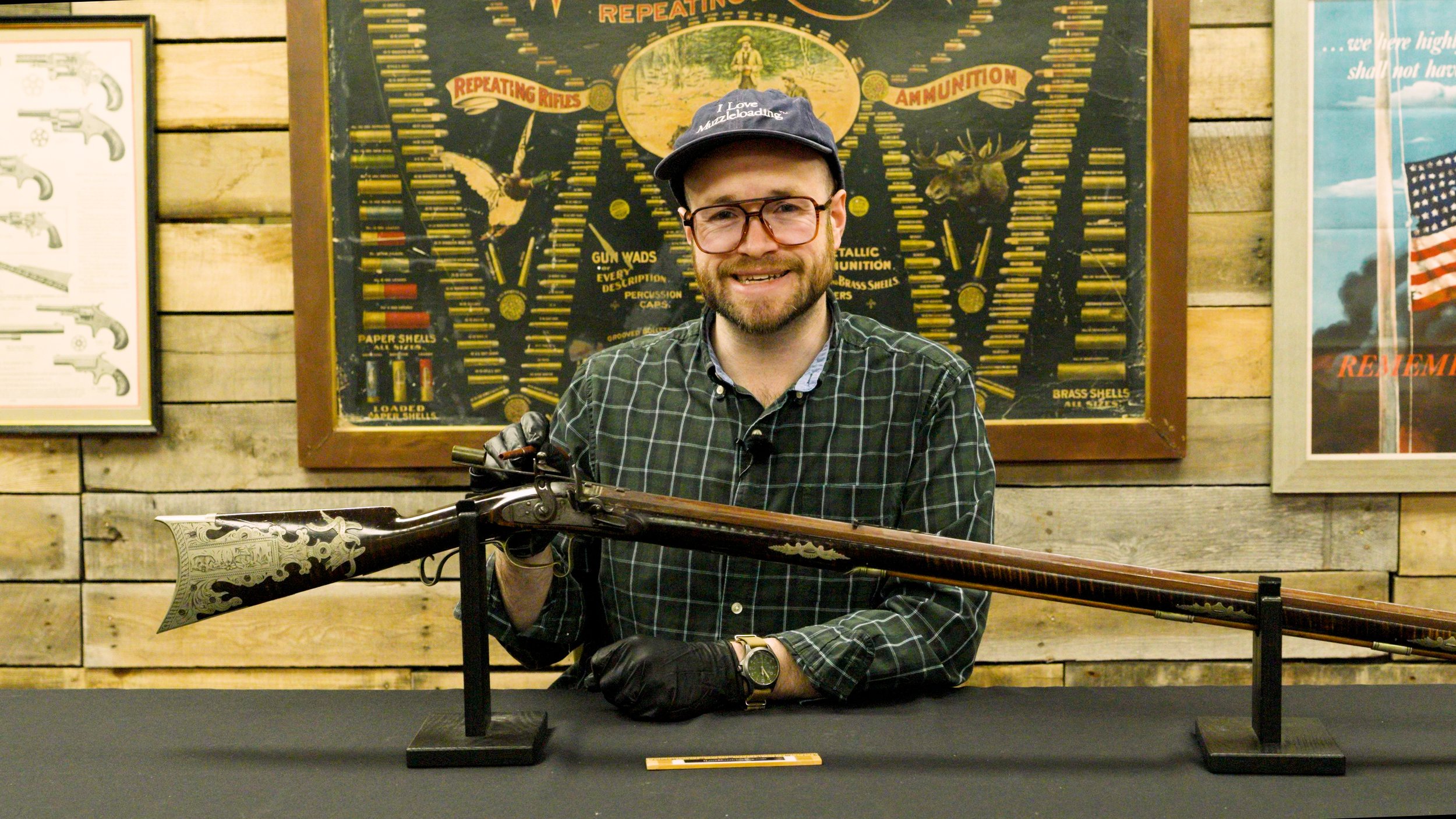
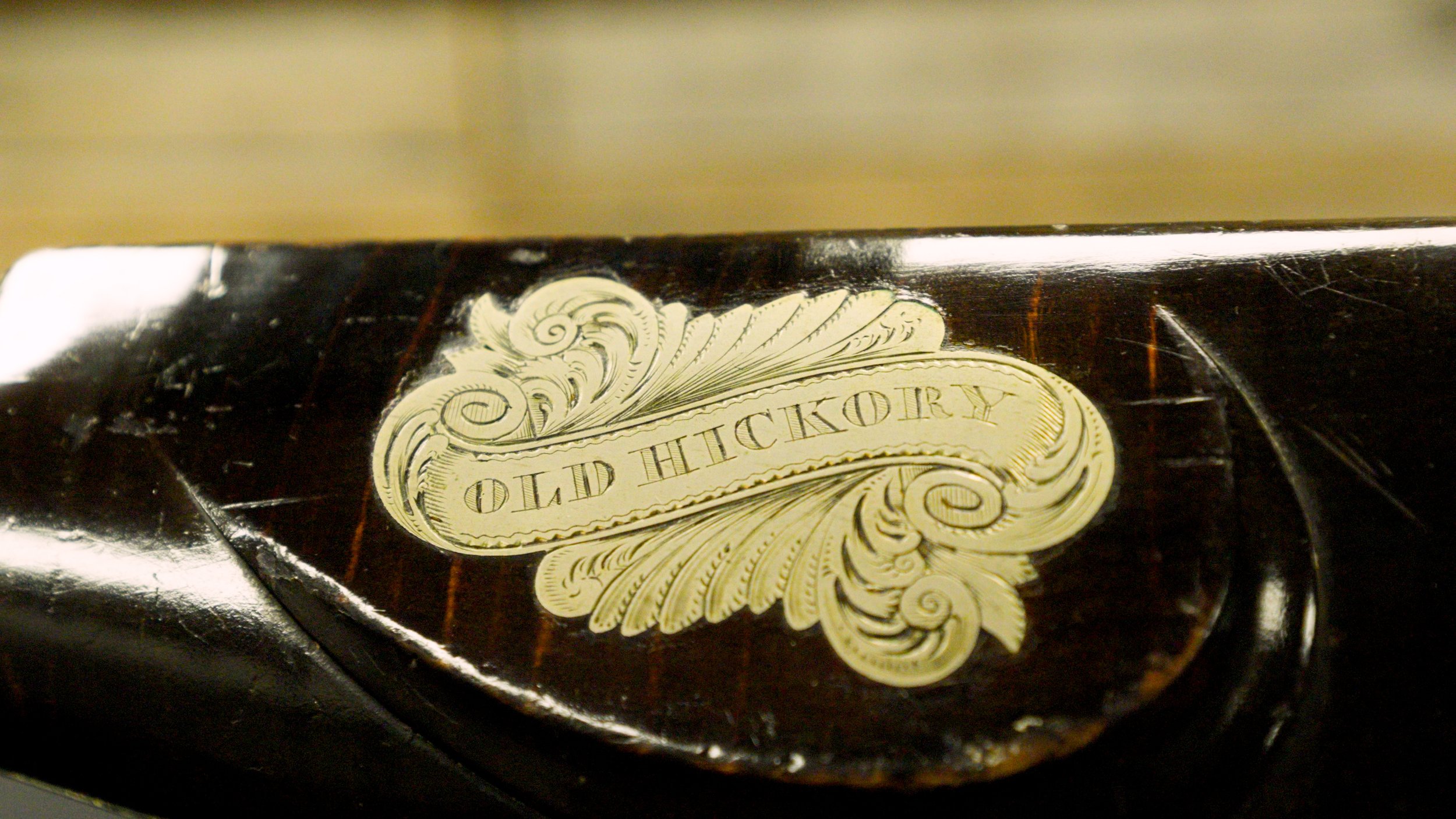
Historic "Old Hickory", A. Harrington New York Target Flintlock Rifle
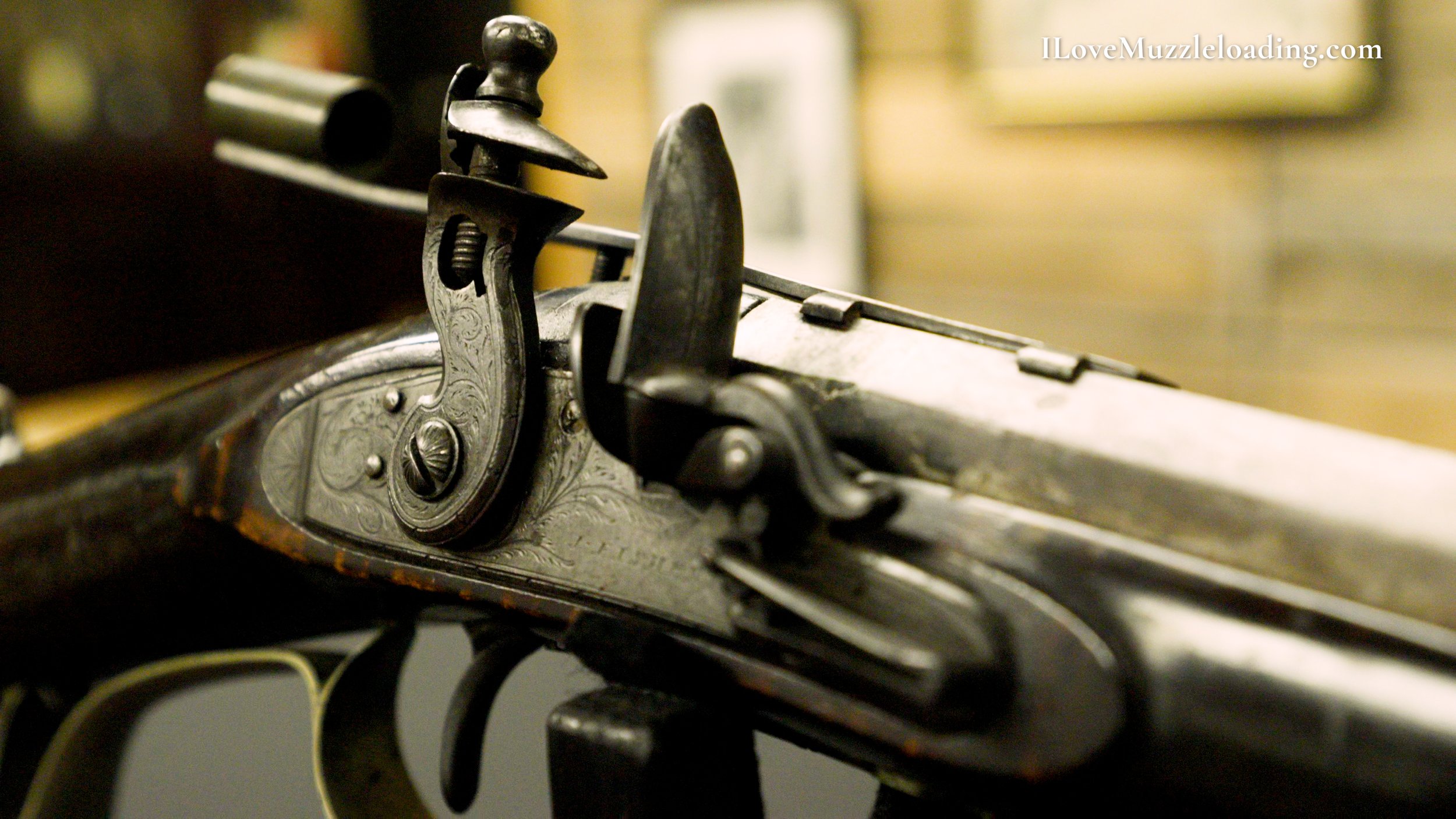
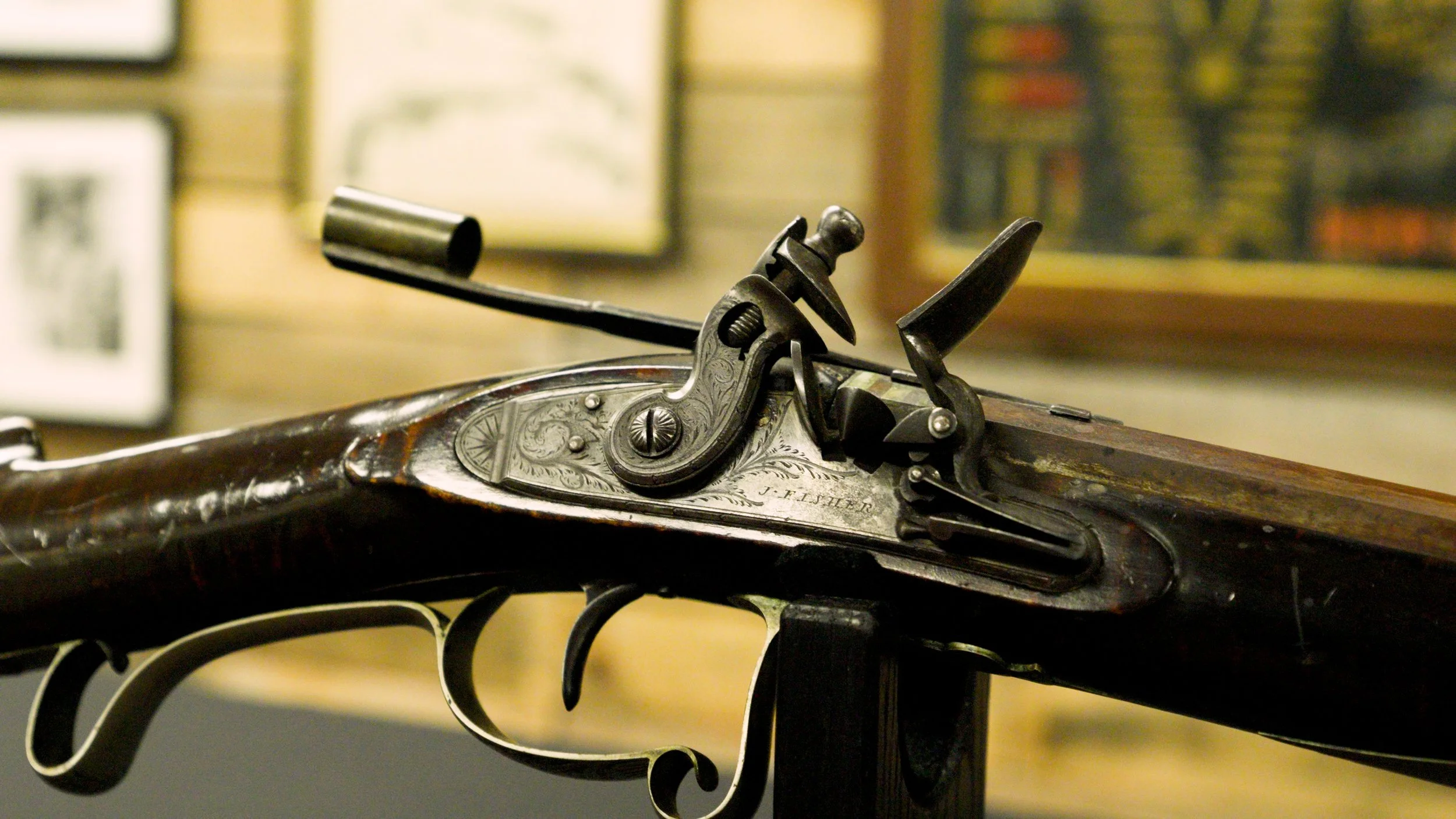
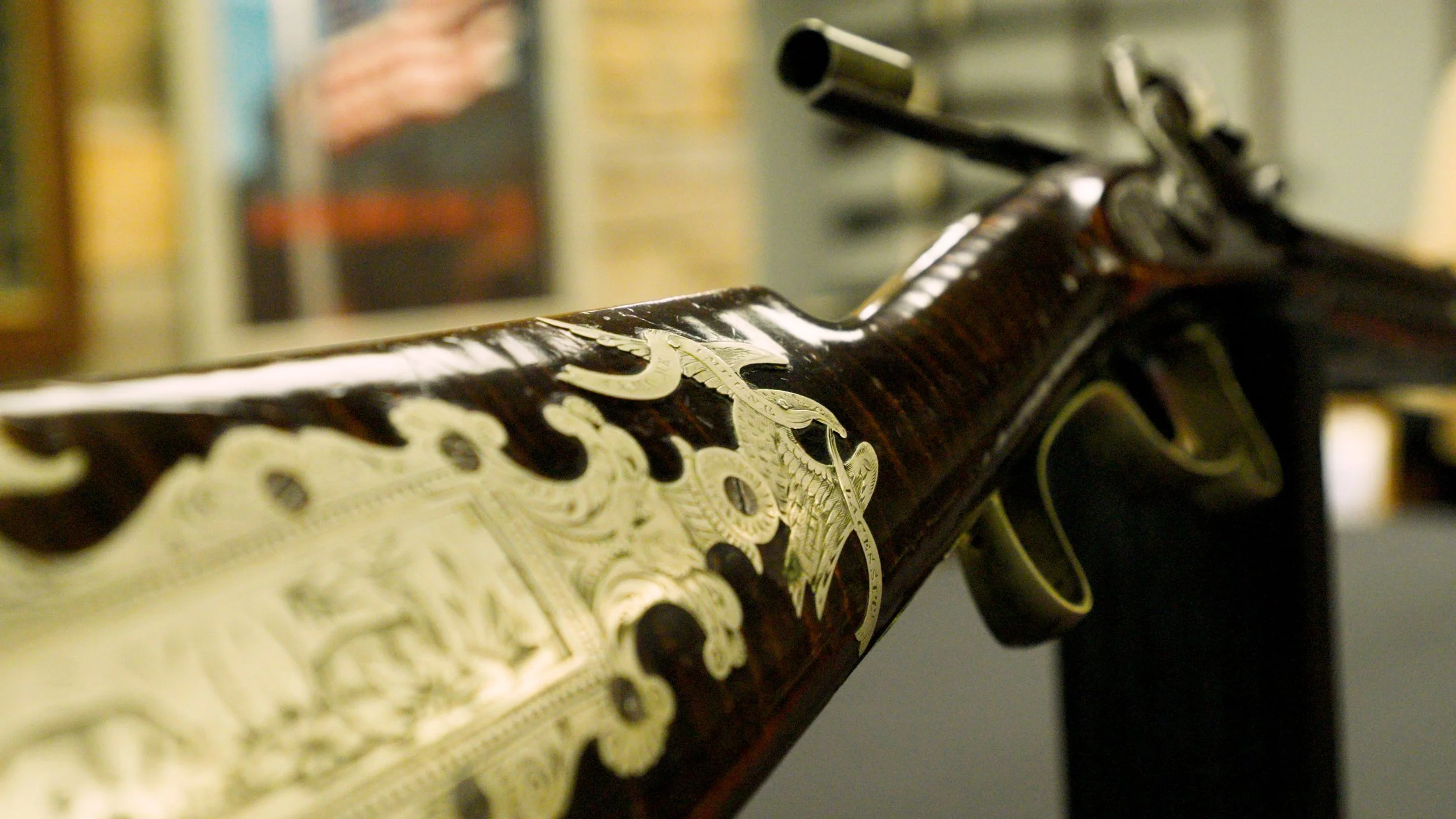
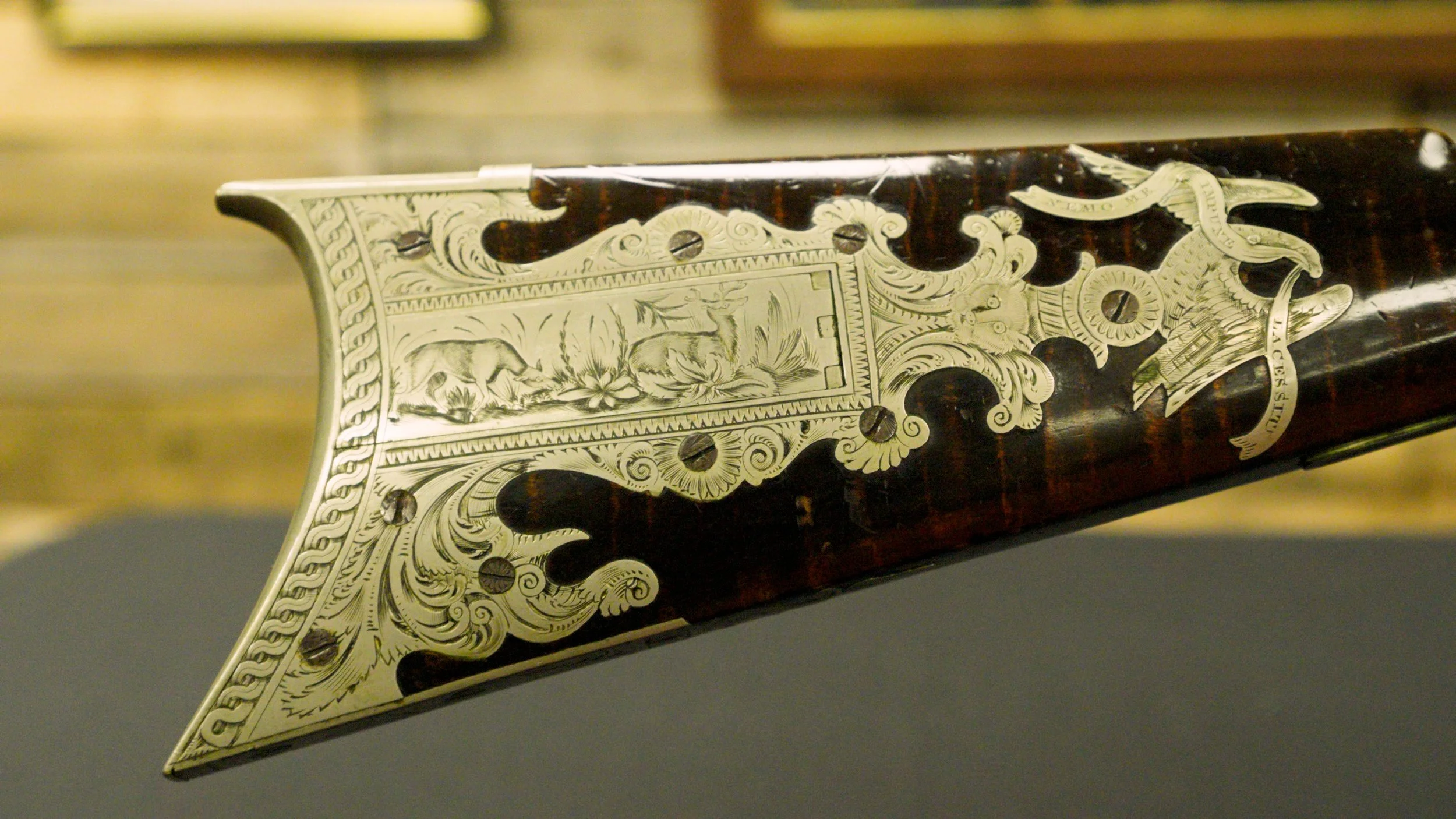
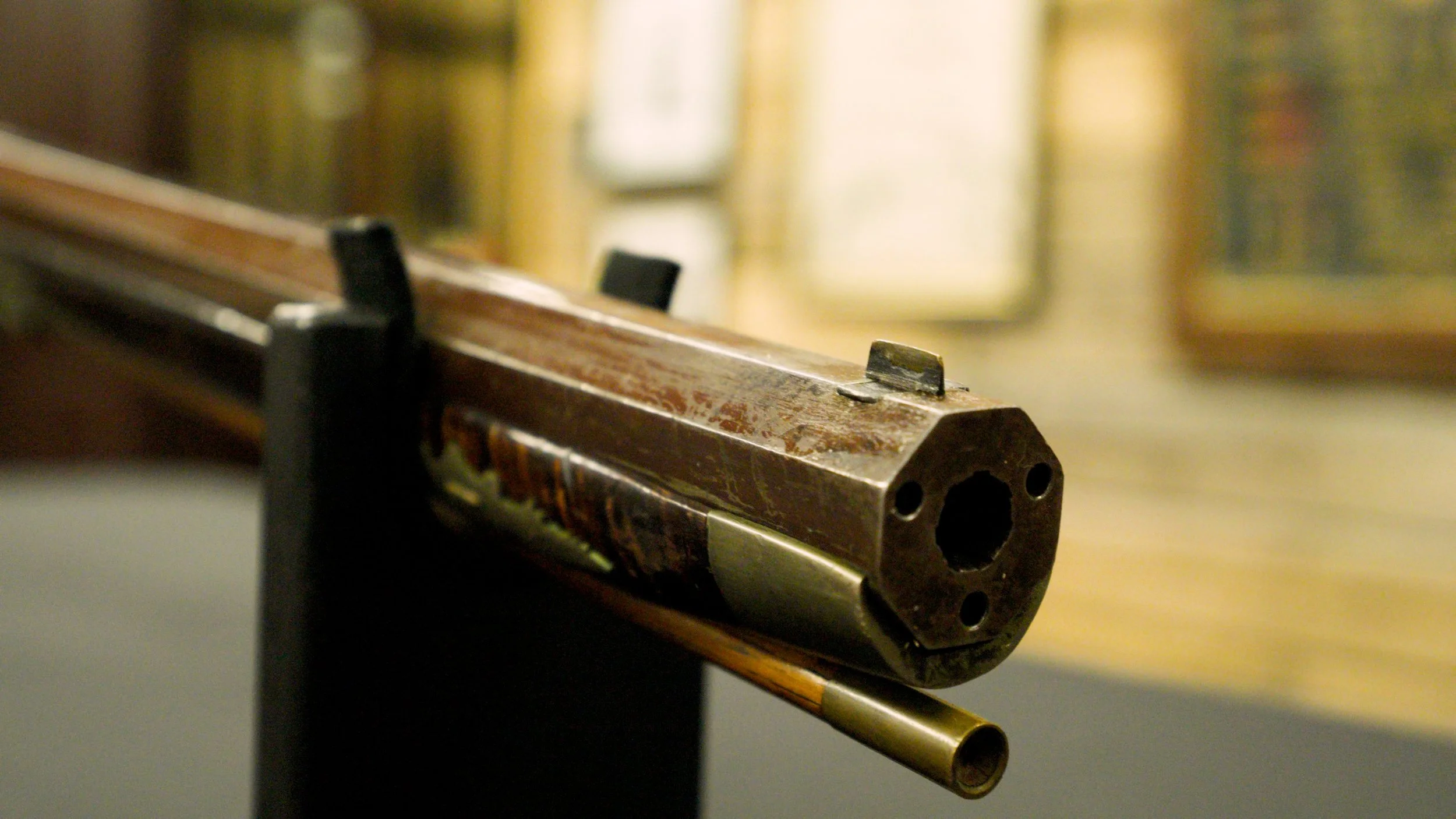
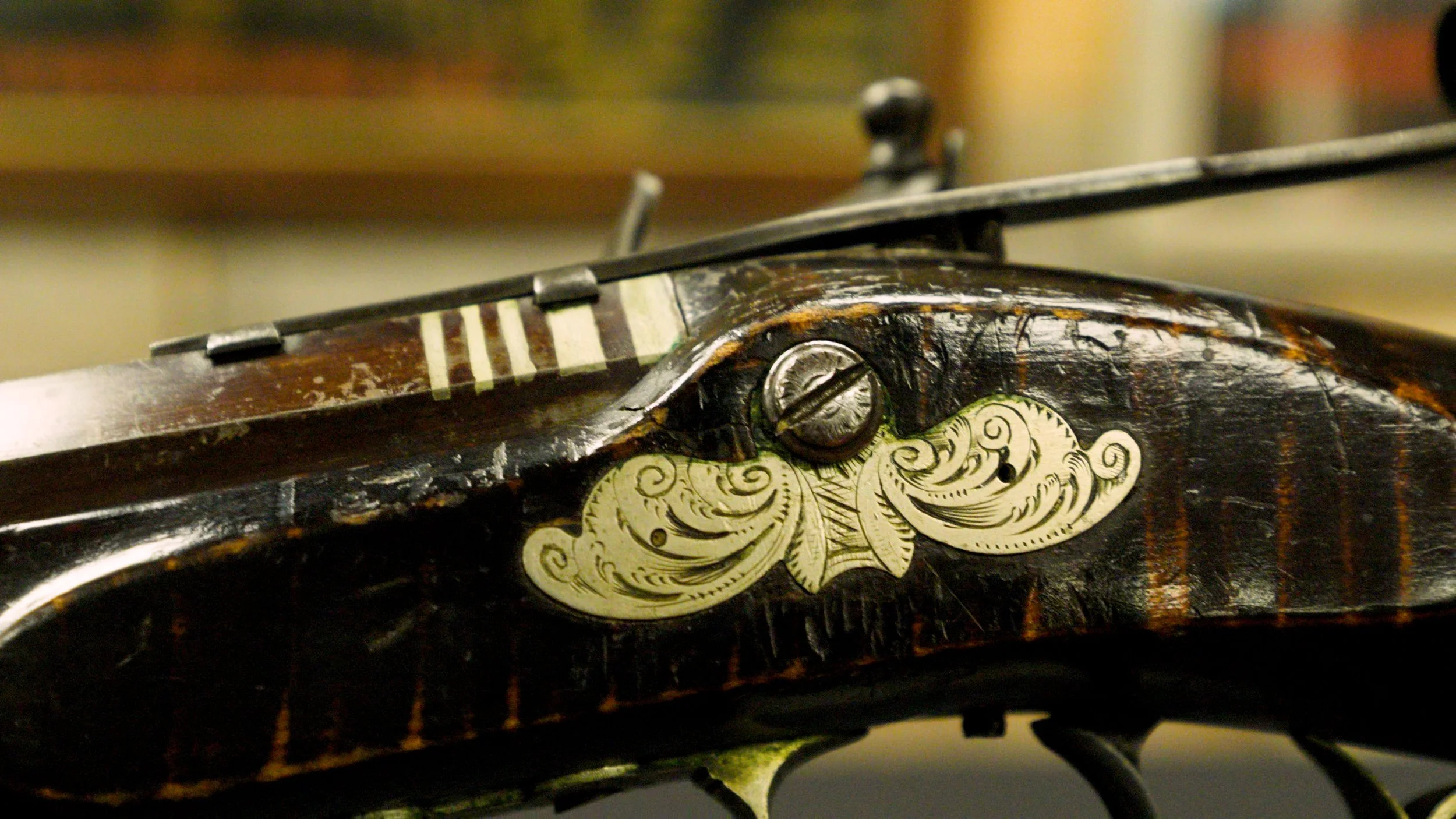
The rifle is signed "A. Harrington MAKER New York" on the barrel in ornate script with lightly engraved swirling accents. A. A. Harrington of Poughkeepsie, New York, ran advertisements from 1830-1832 for his shop in various issues of the "Poughkeepsie Journal," first for the "Poughkeepsie Gun Factory" and later for "Harrington's Gun Manufactory." His June 2, 1830, dated advertisement indicated he had taken over the shop of P. P. Hayes and was manufacturing rifles, fowling pieces, and muskets and also converted flintlocks to percussion. His June 2, 1832, dated advertisement was published on the same page as the town's proclamation of support for Andrew Jackson in the election of 1832 and notes that A. A. Harrington of Poughkeepsie, under the sign of an eagle, offered double and single barrel guns for $4.25 to $75, fine rifles for $10 to $100, "smooth rifles" for $9, pistols, variety of muskets for $4 to $8, and an assortment of accoutrement. A $100 rifle would certainly have been a high-end piece in the 1830s. Note that the most deluxe rifles from Harrington’s shop were selling for ten times the cost of his plainer rifles. For comparison, that is also double the cost of a Colt Paterson later in the decade. The barrel was manufactured by Remington, "America's Oldest Gunmaker", and has their curved maker's mark partially visible on the left flat at the breech. The company had been manufacturing barrels in Ilion, New York, since 1816 and expanded in 1828 after the opening of the Erie Canal and continued to thrive in the Age of Jackson. The barrel is cut and has holes for a false muzzle (not included) and also features a brass blade front sight, adjustable notch rear sight with decorative finial, the above noted maker's mark, a peep sight with a long extended tang and light engraving, five inlaid German silver bands at the breech (two broad at the rear and three narrower at the front), and a coned vent. The false muzzle was patented in 1840 by Alvan Clark of Boston as a "loading muzzle" and was reportedly solely assigned to Edwin Wesson. However, Wesson began licensing other gunmakers as well, and some New York gunmakers simply made unauthorized use of Clark's design. Shorter barreled rifles were also more popular in that era. The peep sight was also likely installed at that time. The building of highly accurate rifles for competitive rifle matches became a specialty of the Northeast in this period.